
Corruption: The Silent Killer of Economies and Lives
The Global Impact of Corruption
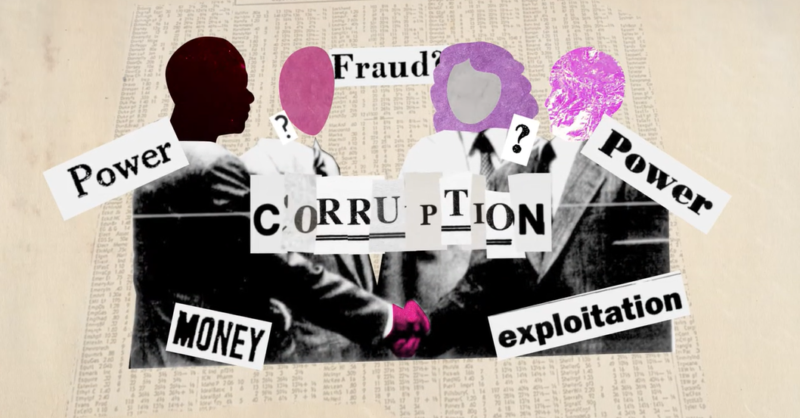
In countries plagued by high levels of corruption, government officials often siphon public funds and collaborate with businesses to manipulate laws, regulations, and government contracts for their benefit. The World Bank highlights that "higher levels of corruption are associated with lower per capita income," indicating a direct link between corruption and economic hardship. Corruption perpetuates poverty, and poverty, in turn, leads to loss of life.
Economic Devastation
Corruption undermines economies and weakens political institutions, with its most severe impact on investment. By discouraging investment, corruption stifles economic growth and reduces per capita income. For example, a study by Mauro (1995) found that if Bangladesh had reduced its corruption to the level of Singapore between 1960 and 1985, its growth rate would have increased by 1.8 percentage points annually, resulting in a per capita income more than 50% higher by 1985. The consequences of such economic disparity are stark, with higher infant mortality rates and lower life expectancies in corrupt nations compared to their cleaner counterparts.
Misallocation of Public Funds
Corruption skews public spending away from essential services like healthcare and towards capital expenditures such as military spending, where bribes are more easily extracted. This misallocation further exacerbates the plight of the poor, who rely on public services for their basic needs.
Barriers to Investment
Corruption affects investment in several ways. It raises the cost of doing business, forcing companies to allocate funds for bribes rather than investing in innovation and efficiency. Public funds diverted into the pockets of corrupt officials lead to higher taxes and reduced public investment, further hampering economic growth.
The Two Faces of Bribery
While some forms of business-to-business bribery, such as facilitation payments, may reduce transaction costs and smooth business operations, the more malignant forms of bribery are purely self-serving. These corrupt practices, such as fraudulent accounting and concealed debt, harm corporate profits and ultimately lead to bankruptcy when exposed.
Government Corruption: A Persistent Issue
Unlike business-to-business bribery, government corruption lacks a self-correcting mechanism. Officials with power and discretion can grant favors in the form of subsidies, contracts, tax breaks, and permits, leading to widespread corruption. This problem is not confined to the poorest countries; even in wealthier nations, corruption can thrive. A notable example is Lyndon B. Johnson, who significantly increased his family fortune through a radio station license that his wife acquired under suspiciously favorable terms. Johnson's case illustrates how legal loopholes can facilitate corruption when power and discretion are involved.
The Need for Transparency
The battle against corruption requires honest and transparent market institutions. While achieving such transparency is challenging, it is essential for curbing corruption and fostering economic growth. Reducing corruption not only boosts economies but also saves lives by ensuring that public funds are used for their intended purposes, improving the overall quality of life for citizens.
Related Tag :